Health promising prospects of black wheat flour

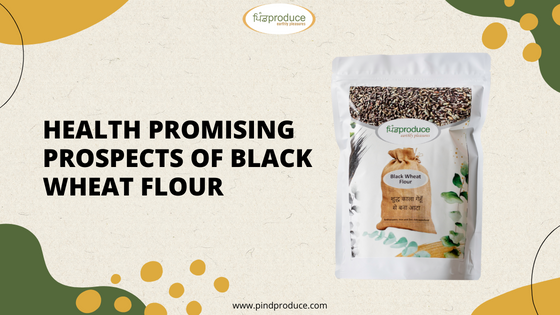
Health promising prospects of black wheat flour

  • Black wheat is richer in all nutrients compared to yellow wheat.
  • Bioactive compounds are more in black wheat than yellow wheat.
  • Consumption of black wheat reduces various diseases in humans.
  • Gluten strength is sufficient for the development of bakery products.

The main nutritional components of this super-food are:

  1. Anthocyanins
  2. Antioxidants
  3. High in Iron
  4. Vitamins- Infused with vitamins such as Vitamin B1, B2, B3, B5, B6, and B9.
  5. Minerals include zinc, selenium, manganese, potassium, calcium, iron, magnesium, copper, and phosphorus.
  6. Good sources of Amino Acids, that aid in tissue formation and body-building.
  7. Folic acid
  8. Dietary fibers

Background

Black wheat is a variety of pigmented wheat developed by crossing purple and blue wheat. The anthocyanin present in the outer layer is responsible for the black color of wheat grain. It consists of numerous nutritional and bioactive compounds including phenolic compounds, anthocyanins, carotenoids, phytic acid essential amino acids, dietary fibers, vitamins and minerals..

Key findings and conclusions

Black wheat (BW) possesses higher protein content, dietary fiber, calcium, Vitamin K, and antioxidants. The TPC of BW is six times higher than yellow wheat with the most abundant phenolic acid being ferulic acid. Around 225 metabolites mainly belonging to flavonoids, group differs between black and yellow wheat and are responsible for their color difference. The expression of structural genes namely TaCHI, TaDFR, TaF3H, TaUGT, TaANS, and TaMT was highest in Black Wheat than in other pigmented and conventional wheat varieties. Consumption of whole Black Wheat Flour led to the prevention of cardiovascular disease, inflammation, cancer, diabetes, obesity, aging, and ample bowel protection. Clinical trials have revealed that enhancement of interleukin (IL)-6 induced due to type 2 and tumor necrosis factor (TNF)-α diabetes mellitus was prevented by the BW diet. Nutrient and bioactive compound-rich BW offers great potential to develop healthy functional food.

HOW TO INCLUDE IT IN YOUR DAILY DIET?

A wonderful superfood with endless nutritional benefits and boons, black wheat flour can be used as a substitute in almost all such food items that have white flour, maida, besan, or any other such item as its base. Thus, it can be easily used to make uttapams, chillas, cookies, idlis, and rotis. Even for dessert, the black wheat halwa can be both a game and taste changer, and for good!

Black wheat flour is a simple grain but packed with extraordinary health benefits. A mere switch to it today can improve your health markedly as well as ensure that these benefits still last you in the long run!

Read More

Organic Farming For The Best Nutritious Food 

Organic farming is growing in popularity as an agricultural technique. The demand for organic farming and organic products is always rising, even if the majority of agricultural land is still used for conventional farming. Let us gain some insights into this type of farming, what it involves, and what the advantages are.

What is organic farming? 

Organic farming is a method of crop and livestock production that involves much more than choosing not to use pesticides, herbicides, and fertilizers. It encompasses a whole-system approach to farming that encourages soil and water conservation and aims to produce healthy, high-quality food. Organic farmers work to build biologically diverse and healthy ecosystems. Crop rotations cover crops, and other practices help to improve soil health by increasing organic matter, maintaining soil structure, and reducing compaction. These practices also help to control weeds, reduce pests and disease pressures, and build resilience to drought and extreme weather.

Advantages of organic farming 

Advocates of organic farming say that it is more environmentally friendly than conventional farming. They also claim that organic farming is better for human health because it does not use synthetic chemicals.

No GMO (genetically modified organisms) –

Some people are skeptical of the thought of genetically modified crops, but those whose crops are grown organically don’t need to be. These farms put a lot of effort into avoiding contact with outside microbes. There is less chance of contamination, mutation, or loss in crop output because organic farming is a natural approach to growing food.

No harm to the soil –

Chemical fertilizers and pesticides can be replaced by techniques used by organic growers. In order to create robust ecosystems and stop erosion, they interact with the soil. Because they don’t utilize pesticides that degrade water quality or pollute the air, organic farmers have less of an influence on the environment than traditional ones.

Nutritious crop cultivation –

Organic farming techniques ensure that the land is fertile and that fertilizers are not required. These techniques also enable the natural production of nutrients like iron, calcium, phosphorus, magnesium, etc.

Safe for farmer’s health –

Organic farming can offer a healthy work atmosphere. Pesticide exposure is lower among organic farmers, and they use fewer dangerous chemicals to care for their crops and land. Farmers can stay on their land longer, and they don’t have to worry about the health effects of long-term exposure to chemicals.

Grow different varieties of crops –

Through techniques like crop rotation, animal breeding, composting, etc., to make the land more fertile without using any artificial fertilizer or pesticides, organic farming can assist farmers in growing more variety in a shorter length of time.

Sustainable farming –

Organic farming is more environmentally friendly and less harmful to the earth than conventional farming, making it more sustainable in the long term. Sustainable farming techniques are used by organic farmers, such as preserving crop rotation, utilizing livestock to turn weeds into cover crops and soil rich in nutrients, and using fewer chemicals.

Different organic farming techniques 

Organic farming incorporates different types of procedures. However, the majority of organic farmers use a few well-known farming techniques:

  • Crop rotation is used to achieve better crop protection against various pests and to preserve soil fertility.
  • The restoration of organic matter in soil through manuring, composting, or mulching is the foundation of organic nutrient management.
  • Growing cover crops is a good way to manage weeds and insect pests, stop soil erosion and increase the number of nutrients in the soil.
  • Preventative crop protection techniques, such as selecting resistant types, adapting planting or sowing techniques, and timing of harvest.
  • Using natural predators to guard against biological pests.
  • Weeding as a method of non-chemical weed control.
  • Anaerobic organisms aid in the control of pests that are found in the soil.
  • Adequate spacing between crops.
  • Using only sustainable resources.

Crops that can be grown using organic farming 

Here are some of the crops that can be grown using organic farming practices: Vegetables: Organic farming is great for growing all sorts of vegetables. You can grow crops like tomatoes, carrots, potatoes, lettuce, and more without having to worry about harmful chemicals.

Fruit: Just like vegetables, you can also grow fruit organically. This includes crops like apples, oranges, bananas, and grapes.

Herbs: Organic farming is also great for growing herbs. This includes things like basil, oregano, rosemary, and more.

Grains: You can grow organic grains, including ones that are commonly cultivated and consumed as cereal oats, rice, and black wheat.

Nuts: You can grow organic nuts, such as walnuts and almonds.

Protein: You can also grow organic sources of protein, including beans of all types.

Organically grown pindproduce black wheat 

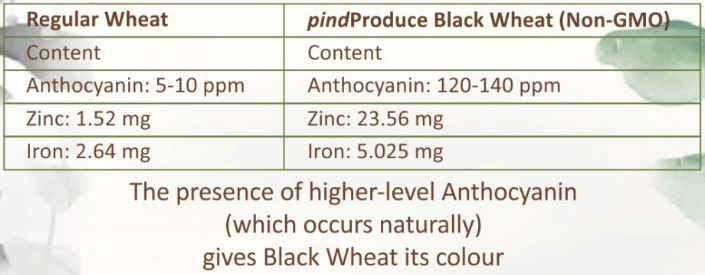
Pindproduce black wheat is grown using organic farming methods. This wheat is characterized by its black color, which is a result of the high concentration of anthocyanins in the grain. Pindproduce black wheat is a non-GMO product, an excellent option when it comes to having a high amount of antioxidants, zinc, iron, protein, and fewer carbohydrates.

Organic farming practices are beneficial for both the environment and human health. They help to promote soil health, reduce water pollution, and minimize the use of harmful pesticides. When grown using organic methods, black wheat is a healthy and sustainable option for both farmers and consumers. Black wheat is a nutritious and delicious addition to any diet and is a great way to support organic farmers.

Pindproduce Black Wheat Available on:

www.pindproduce.com

Amazon

You Care Lifestyle

Mini Store

Read More

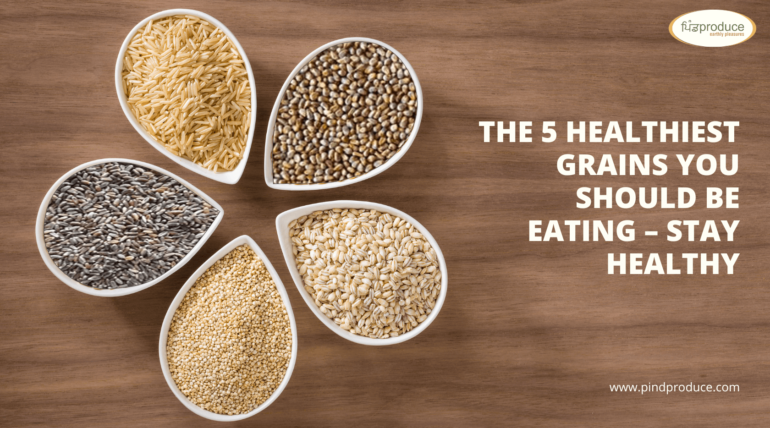
The 5 Healthiest Grains you should be Eating – Stay Healthy

Grains are a healthy and versatile food that you should add to your diet. If you\’re looking to make some small changes to your diet in order to improve your overall health, adding some healthy grains to your meals is a great place to start. 
Here are the five healthiest grains that are great for your health and provide a variety of nutritional benefits.

Quinoa

Quinoa is a grain that has been around for centuries. It is considered to be one of the healthiest grains because it is a complete protein. Quinoa is also high in fiber, magnesium, and phosphorus. It is a good source of B vitamins and vitamin E. Quinoa is a gluten-free grain and it is easy to digest.

Black Wheat

Black wheat is a good source of fiber and protein. It can be used in place of other wheat varieties in recipes. Black wheat is a good source of thiamin, niacin, vitamin B6, and folate. It is also a good source of minerals, including magnesium, zinc, and iron. Black wheat is high in antioxidants, which can help protect the body from disease. It can help to lower blood pressure and cholesterol levels.

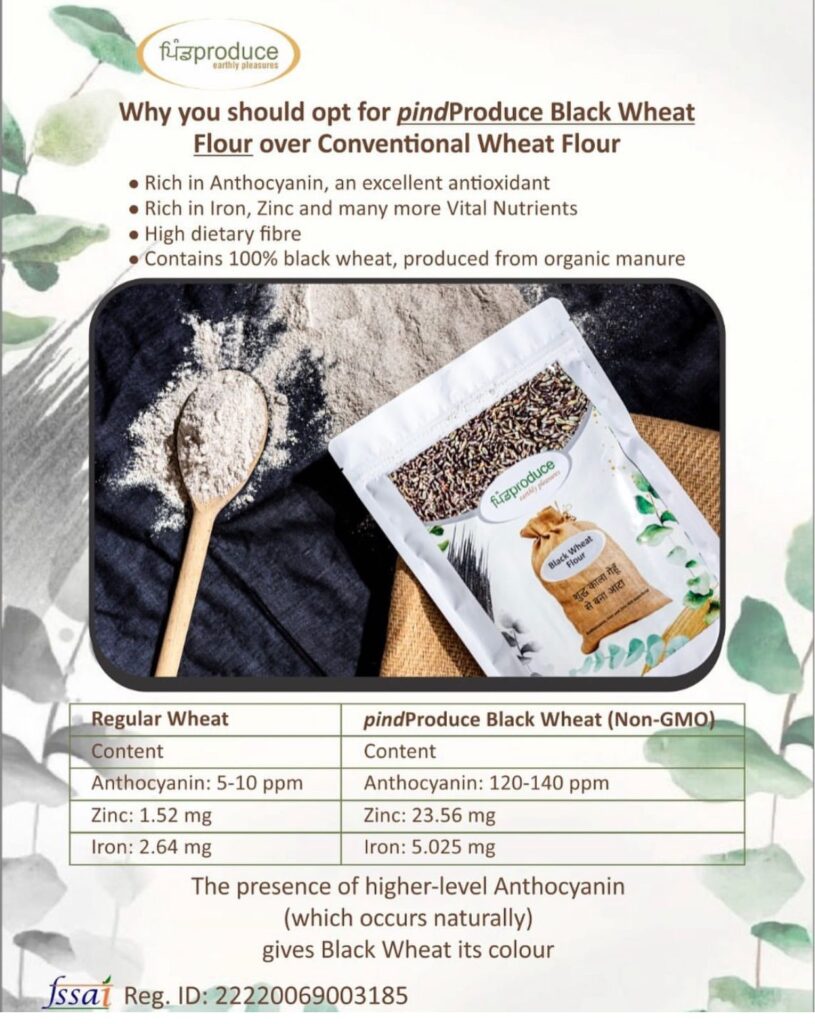
Why you should opt for pindProduce Black Wheat

Flour over Conventional Wheat Flour
• Rich in Anthocyanin, an excellent antioxidant.
• Rich in Iron, Zinc, and many more Vital Nutrients.
• High dietary fiber.
• Contains 100% black wheat, produced from organic manure.

Barley

Barley is a great source of fiber, which can help to regulate digestion. It is also a good source of selenium, which is important for maintaining a healthy immune system.

Brown rice

Brown rice is a whole grain and is a good source of fiber, thiamin, niacin, and vitamin B6. It is also a good source of minerals, including magnesium, manganese, phosphorus, and selenium. One serving of brown rice (1/2 cup cooked) has 108 calories, 2 grams of protein, 2 grams of fiber, and 1 gram of fat.

Millet

Millet is a gluten-free grain that is high in protein and fiber. It is also a good source of magnesium and B vitamins. Millet can be cooked in a variety of ways, including boiling, simmering, or baking. You can also use millet to make porridge or flour for baking.

In conclusion, these five healthiest grains are a great way to start adding more fiber and nutrients to your diet. They are high in fiber, antioxidants, and other nutrients that are beneficial for your health. Try incorporating one or more of these grains into your meals to boost your overall health.

Read More

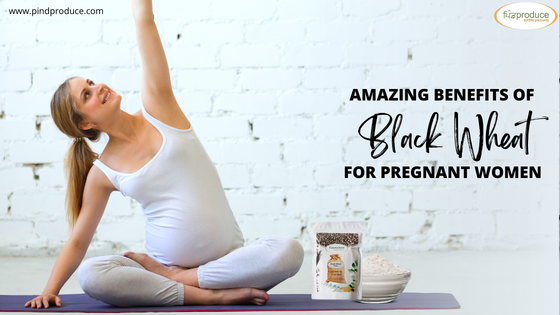
Amazing Benefits Of Black Wheat For Pregnant Women 

A woman’s life enters a new stage with a pregnancy. Along with all the changes that may result from that new stage, a woman can experience unanticipated physical health issues such as high blood pressure or mental health issues while pregnant. It is important for pregnant women to have a healthy lifestyle and a nutritious diet in order to keep themselves as well as the baby healthy. Pregnant women need to make sure that they are getting enough nutrients. This means eating a variety of healthy foods from all the food groups. They need extra calories and nutrients during pregnancy. They must aim for three meals and three snacks each day. Make sure to include these healthy foods in their diet. One of the healthy foods that they can include in their diet is black wheat. Here are some of the amazing benefits of black wheat for pregnant women.

Anthocyanin 

Plant-based pigments called anthocyanins are thought to have health advantages. They are part of a group of substances called flavonoids, which have antioxidant properties. They do this by combating free radicals, which are unstable chemicals that harm cells and raise the chance of developing certain diseases. Anthocyanins are water-soluble pigments that give black wheat its natural color.

Zinc 

Zinc is a mineral that is essential for good health. Every cell in the body contains zinc and it serves a variety of important functions. Zinc is needed for the development and function of the immune system, and for the growth and development of the body during pregnancy. Zinc is important for the senses of taste and smell. A growing baby needs zinc for its development. Zinc is also important for the placenta and the fluid surrounding the baby. During pregnancy, the body stores more zinc in the liver, so that there is enough for both the mother and the baby. Black wheat is a good source of zinc.

Iron

A pregnant woman’s need for iron increases by about 50 percent, to 27 mg a day. So, if you were getting 10 mg of iron in your diet before you became pregnant, you would need about 17 mg from food and supplements during pregnancy. The body needs iron to make hemoglobin, which carries oxygen in the blood.  Iron is essential for the formation of hemoglobin, which carries oxygen to the baby. Unfortunately, many pregnant women are iron deficient. Red blood cells contain a protein called hemoglobin, which transports oxygen throughout the body. It is essential for pregnant women, as it helps to prevent anemia. Anemia can cause fatigue, dizziness, and palpitations, and can lead to serious complications such as pre-term birth and low birth weight. One way to help prevent iron deficiency is to make sure that you’re getting enough iron in your diet. Black wheat is a good source of iron. Black wheat is a whole grain packed with nutrients including iron.

Protein 

Protein is essential for the development of the fetus and for the health of the mother. Protein is needed for the growth and repair of tissues, the production of hormones and enzymes, and the transportation of nutrients in the blood. Protein requirements increase during pregnancy because the growing fetus needs protein for growth and development. The placenta also needs protein for its development and to provide nutrients to the fetus. Black wheat is a good source of protein. Protein is essential for the body because it helps to build and repair tissues.

Calcium

A pregnant woman’s daily calcium requirement is 1000 mg. This is in addition to the daily requirements for non-pregnant women, which is 800 mg. The best way to get the recommended amount of calcium is through food. Calcium is an important nutrient for pregnant women because it helps to build strong bones and teeth for the baby. Getting enough calcium during pregnancy can also help to prevent preeclampsia, a condition that can be dangerous for both mother and baby. So if you’re looking for a nutritious grain that can help you during pregnancy, black wheat is a great choice.  Black wheat is a whole grain, which means it has all the nutrients of the wheat kernel, including the bran and germ. This makes it a more nutritious option than white wheat for a pregnant woman.

Vitamins and Minerals 

Pregnant women have increased nutritional needs. They require more vitamins and minerals than they did before they became pregnant. This is because their bodies are working hard to support the developing baby. A water-soluble vitamin, folic acid is mostly present in leafy green produce and fruits. It is important for expecting mothers because a folic acid deficiency can result in a birth problem termed a neural tube defect. The neural tube is the part of the baby’s brain and spinal cord that forms in the first 28 days of pregnancy. All women of childbearing age should take 400 micrograms (0.4 mg) of folate (a form of folic acid) daily, either in the form of a supplement or in fortified foods.

Black wheat is a variety of wheat that is rich in nutrients, including folic acid and zinc. There are many vitamins and minerals present in black wheat. Some of these vitamins include vitamins A, C, E, and K which are essential during pregnancy.

 Dietary Fiber 

Pregnant women need dietary fiber for a variety of reasons. First, fiber helps to keep the digestive system functioning properly. This is important because, during pregnancy, the digestive system can be slowed down due to the increased levels of progesterone in the body. Fiber also helps to prevent constipation, which is a common problem during pregnancy. Another reason pregnant women need dietary fiber is that it helps to control blood sugar levels. This is important because high blood sugar levels can lead to gestational diabetes, which can be harmful to both the mother and the baby. Fiber can also help to lower cholesterol levels, which is important for pregnant women because high cholesterol levels can lead to complications such as preeclampsia.

Black wheat dietary fiber is a type of insoluble fiber, which means it doesn’t dissolve in water. This type of fiber is important for our health because it helps to add bulk to our stool and keeps things moving through our digestive system. Black wheat dietary fiber has also been shown to help lower cholesterol levels and blood sugar levels.

Nutritional Content of pindProduce Black Wheat 

How do include black wheat into your diet? 

As a pregnant woman, you need to ensure that you are getting all the essential vitamins and minerals in your diet. Black wheat is a great source of many vitamins and minerals that are important for a healthy pregnancy. Here are some different ways you can include black wheat in your diet:

  • Add black wheat to your morning oatmeal or breakfast cereal.
  • Prepare rotis or chapatis using black wheat flour.
  • Mix black wheat flour with regular flour when baking muffins, bread, or other baked goods.
  • Use black wheat flour to make a healthy pizza crust.
  • Make a black wheat berry salad by mixing cooked black wheat berries with diced cucumbers, tomatoes, and cheese.
  • Replace black wheat with all food items prepared using normal wheat.

About pindProduce 

At pindProduce, we grow organic black wheat. Our age-old tradition of using cow dung as manure has helped us practice chemical-free farming. We are delighted to share this wonderful blend of purity and good health in the best way mother nature could offer. This has given us the opportunity to prepare a completely organic superfood, which we now proudly call pindProduce Black Wheat Flour. pindProduce Black Wheat is a non-GMO product, an excellent option when it comes to having a high amount of antioxidants, zinc, iron, protein, and fewer carbohydrates. Click here to order pindProduce black wheat.

Read More
1